A Corporate Identity Guide for Small Businesses
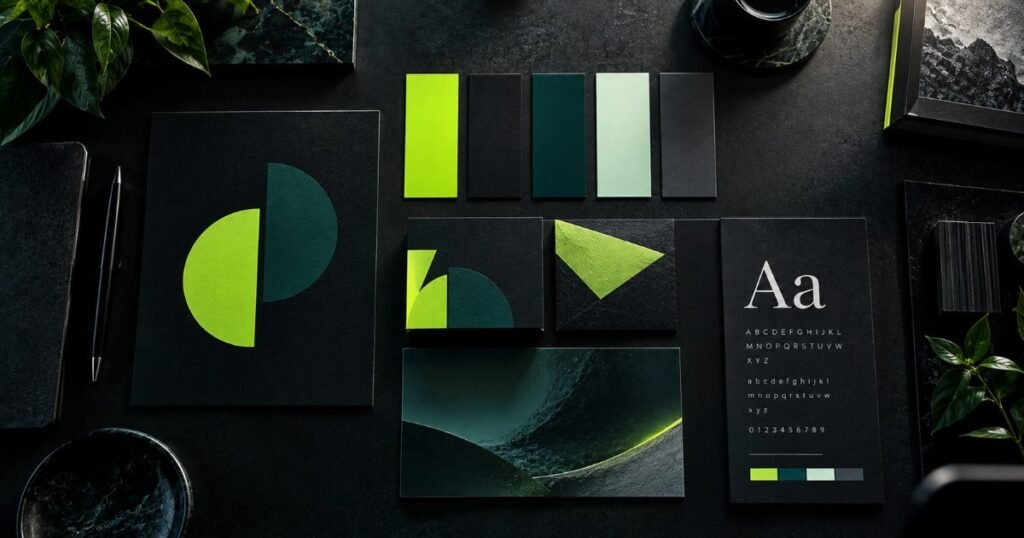
When people hear “corporate identity,” they usually picture big-budget branding projects for large companies. But for small and newly founded businesses, a consistent visual identity is one of the fastest ways to build trust and stand out from competitors. In this article, we walk through, step by step, how to build a strong corporate identity even on a limited budget.
What exactly is corporate identity?
Corporate identity is the complete visual and verbal representation of your brand. It’s not just a logo — it covers your color palette, typography, visual/photography style, iconography, brand voice, and the consistent application of all these elements across every channel: website, social media, print materials, and packaging.
Where to start: brand strategy
Before diving into visual work, there are a few core questions to clarify: Who does your brand speak to? What problem does it solve? What sets you apart from competitors? If your brand had to be described in three words, which words would you choose? The answers to these questions form the foundation for your logo, color palette, and typography choices. Design work that starts without strategy usually ends up “pretty but meaningless.”
A minimum viable identity kit
You don’t need an elaborate brand book to get started. A solid foundation for small businesses consists of the following:
- Logo and its variations: A primary logo, a single-color version, and a square/round format for social media.
- Color palette: 2-3 primary colors and 1-2 neutral or supporting colors.
- Typography: One headline font, plus a readable font for body text.
- Core applications: Business cards, social media profile/cover images, email signature.
- A simple usage guide: A 1-2 page document covering the basics — clear space rules around the logo, examples of incorrect usage, and color codes (HEX/RGB/CMYK).
Brand voice is part of your identity too
Just as important as your visual identity is how your brand “speaks.” Using a consistent tone across your social media posts, website, and customer communication — friendly, formal, playful, technical — builds recognition just as powerfully as your visuals do. Defining that tone with a few adjectives (for example, “warm, clear, a little playful”) and sharing it with your team or content creators is the most practical way to maintain consistency.
Consistency matters more than perfection
Keeping the same colors, the same logo usage, and the same tone across every platform creates a far stronger brand perception than individually perfect but disconnected pieces of content. Customers should be able to recognize your brand the same way on Instagram, on your website, and in your physical store. Inconsistency creates a subconscious sense of distrust.
A roadmap based on budget
You can build out your corporate identity in phases, based on your budget. At the starting stage, it’s enough to focus on your logo, core colors/typography, and social media templates. In the second stage, you can complete your corporate paperwork set — business cards, invoices, email signature. As your business grows, you can add elements that require bigger investment, like packaging design, vehicle wraps, signage, and a comprehensive brand guide. This phased approach lets you achieve a professional look without straining your budget.
Common mistakes
Some of the most common mistakes small businesses make in the corporate identity process include: using different logo versions or colors across different platforms; using free templates or fonts and running into copyright issues later; building an identity once and never updating it (your identity should evolve as your brand grows); and, most importantly, choosing an identity that looks too similar to competitors’ visual language, which reduces how distinctive you are.
Expand as you grow
Corporate identity isn’t fixed. As your business grows, you may need to expand your identity to cover new product lines, new markets, or new service areas. What matters is keeping that expansion aligned with your core identity elements — color, logo, tone. Evolving your existing identity, rather than starting completely from scratch, preserves the brand recognition you’ve already built.
Conclusion
A strong corporate identity is the result of the right strategy and consistency — not a big budget. Even a small business can look credible and professional alongside much larger competitors with a clear brand strategy, a simple but well-thought-out visual identity, and consistent application across every channel.
If you’d like to build a strong corporate identity on a small budget, we can recommend a starter package that fits your needs.
Want more on “corporate identity guide”? Take a look at our related Creavizio solutions.